For dentists, clinics and labs
Your first three cases come with a diagnostic wax-up.
That is how every new collaboration starts. Predictable planning, an easier conversation with the patient and a clear picture of the final result, before the case goes into production.
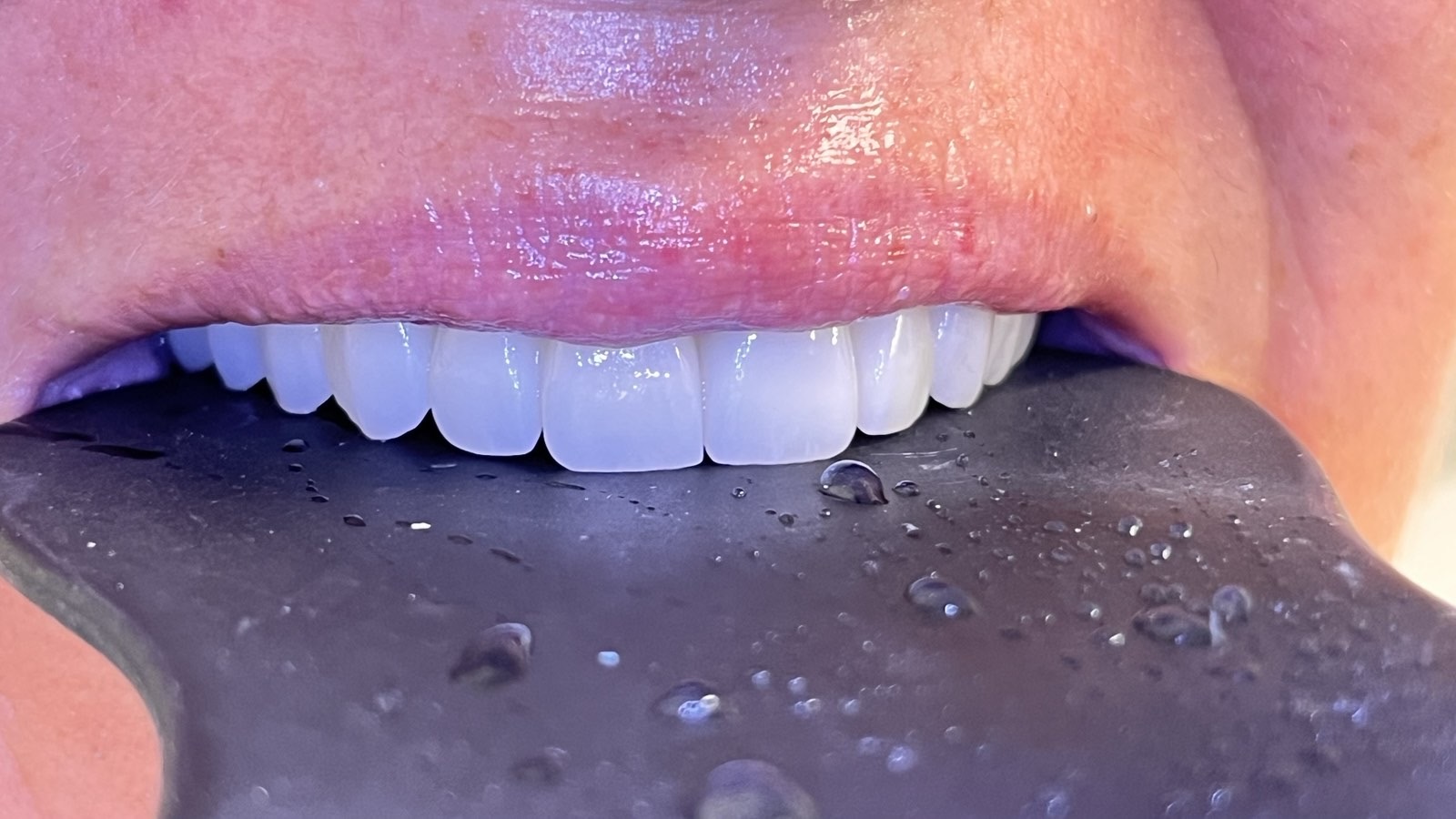
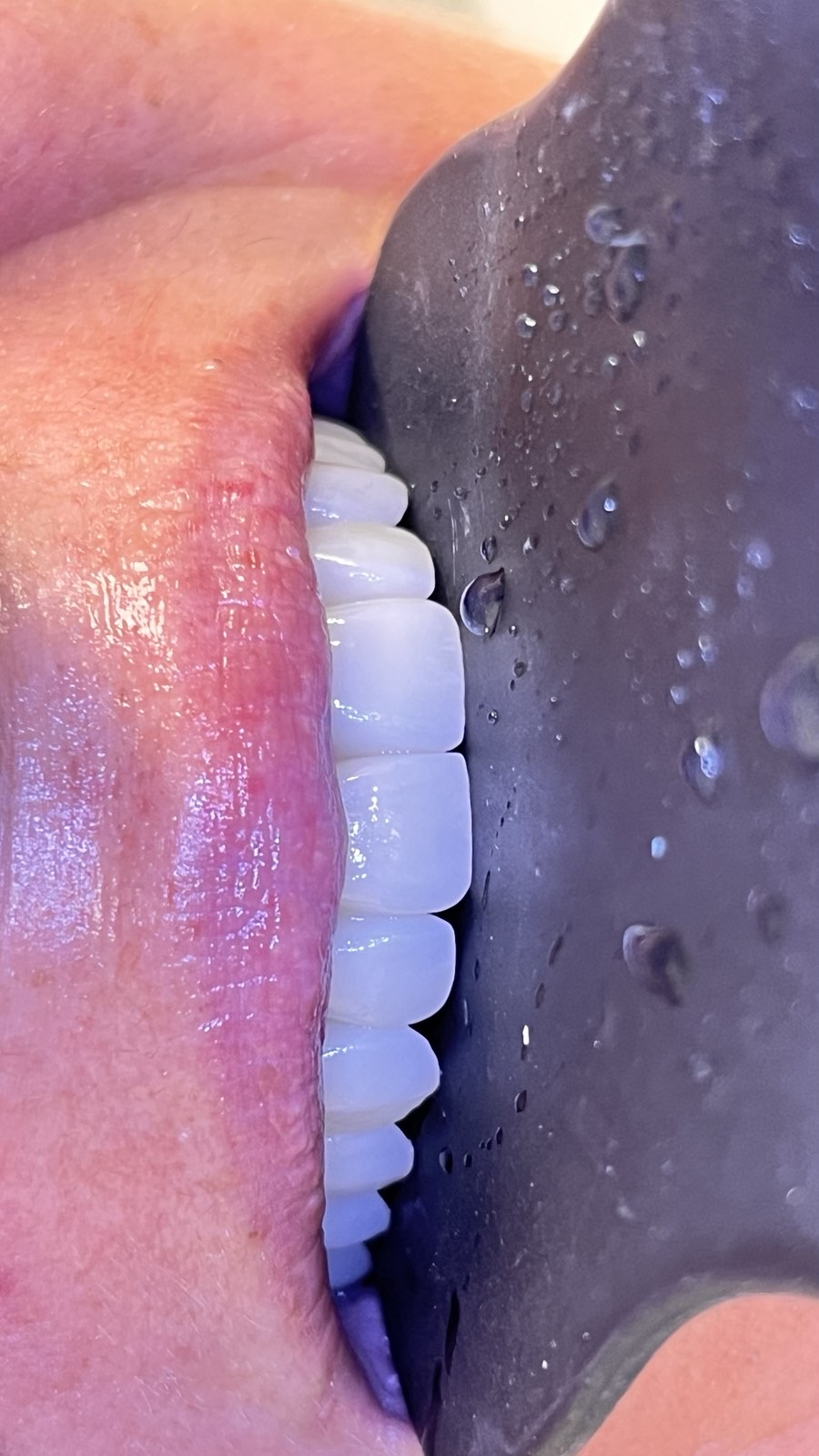
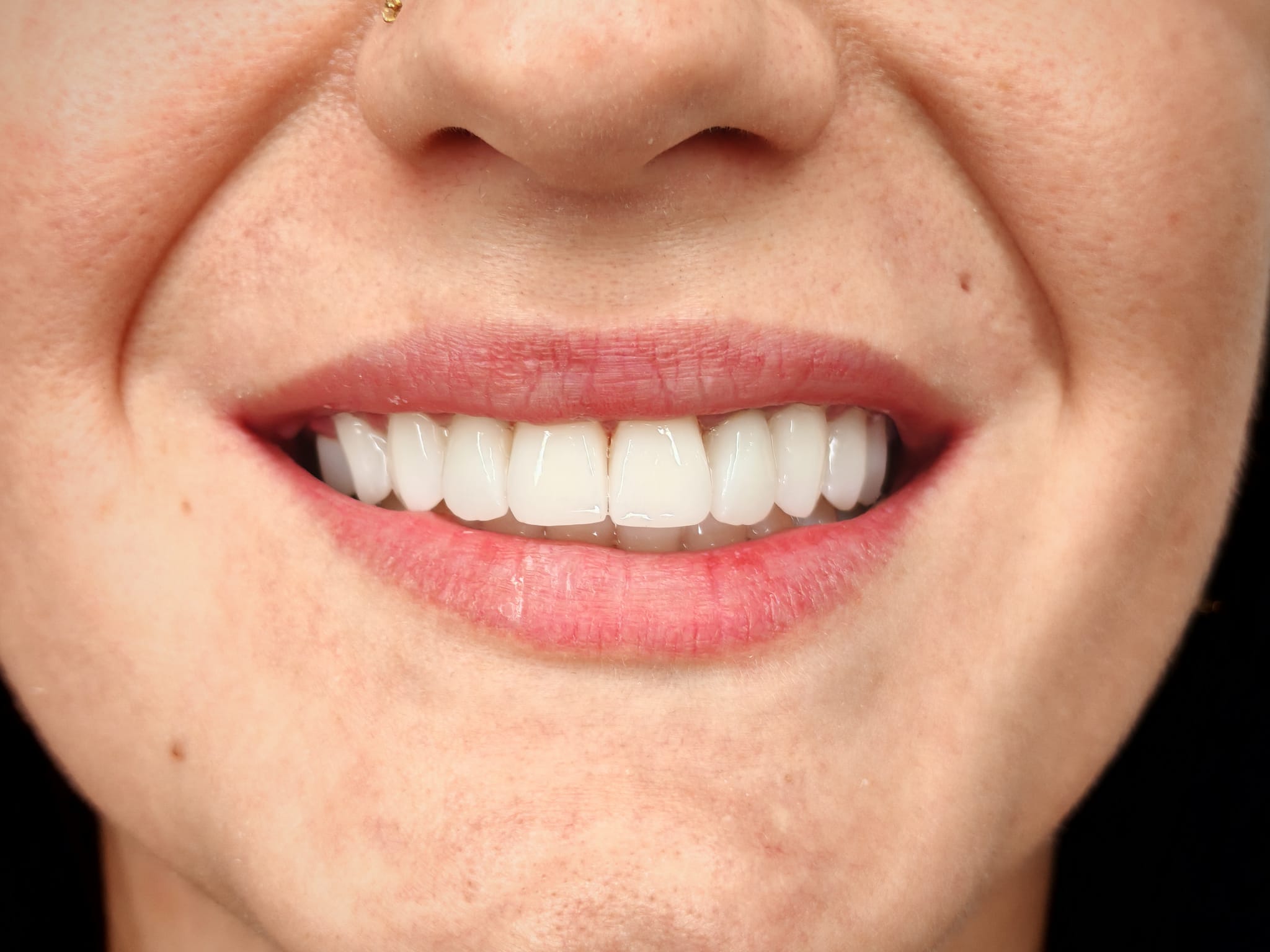
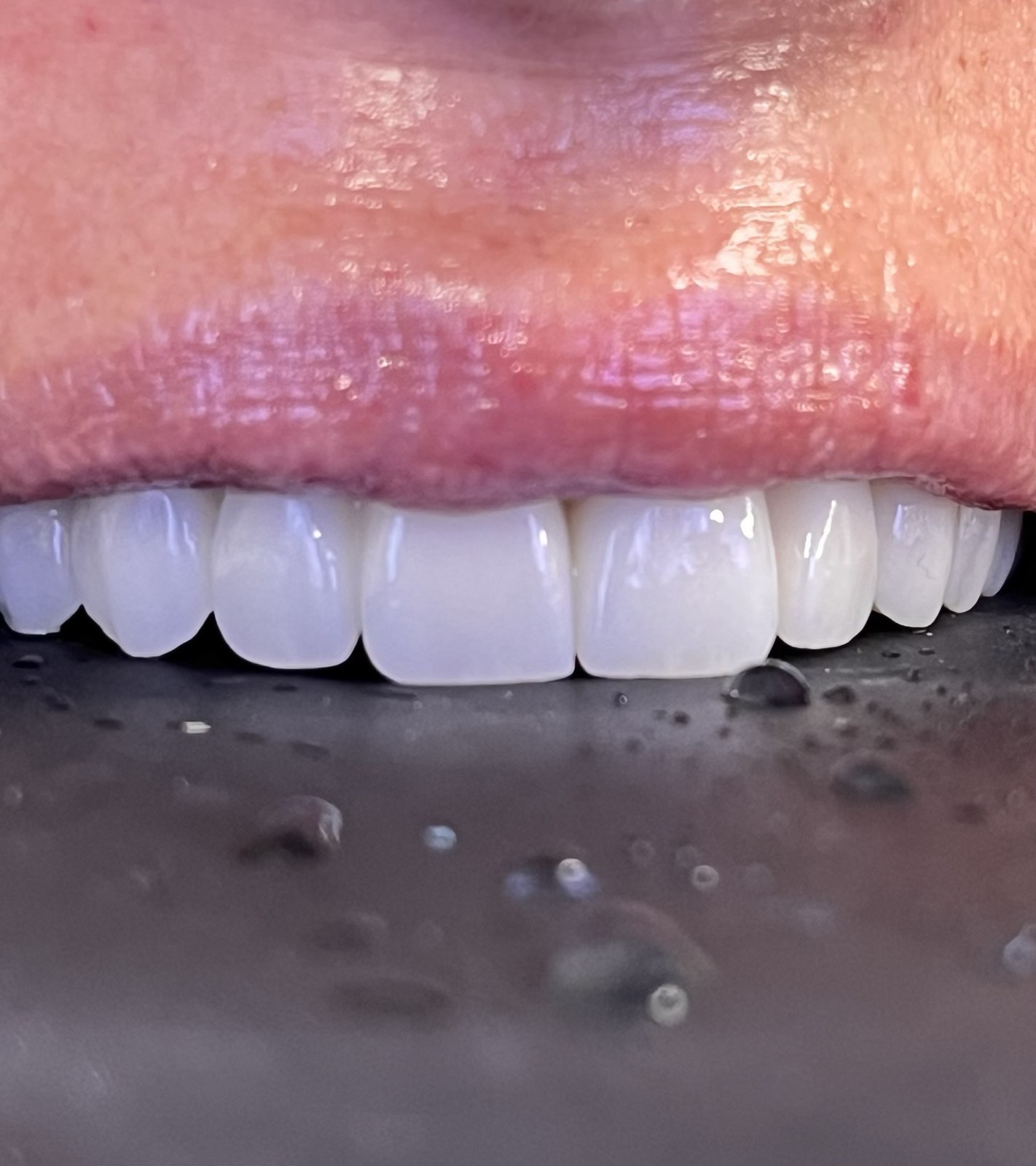
Finished cases
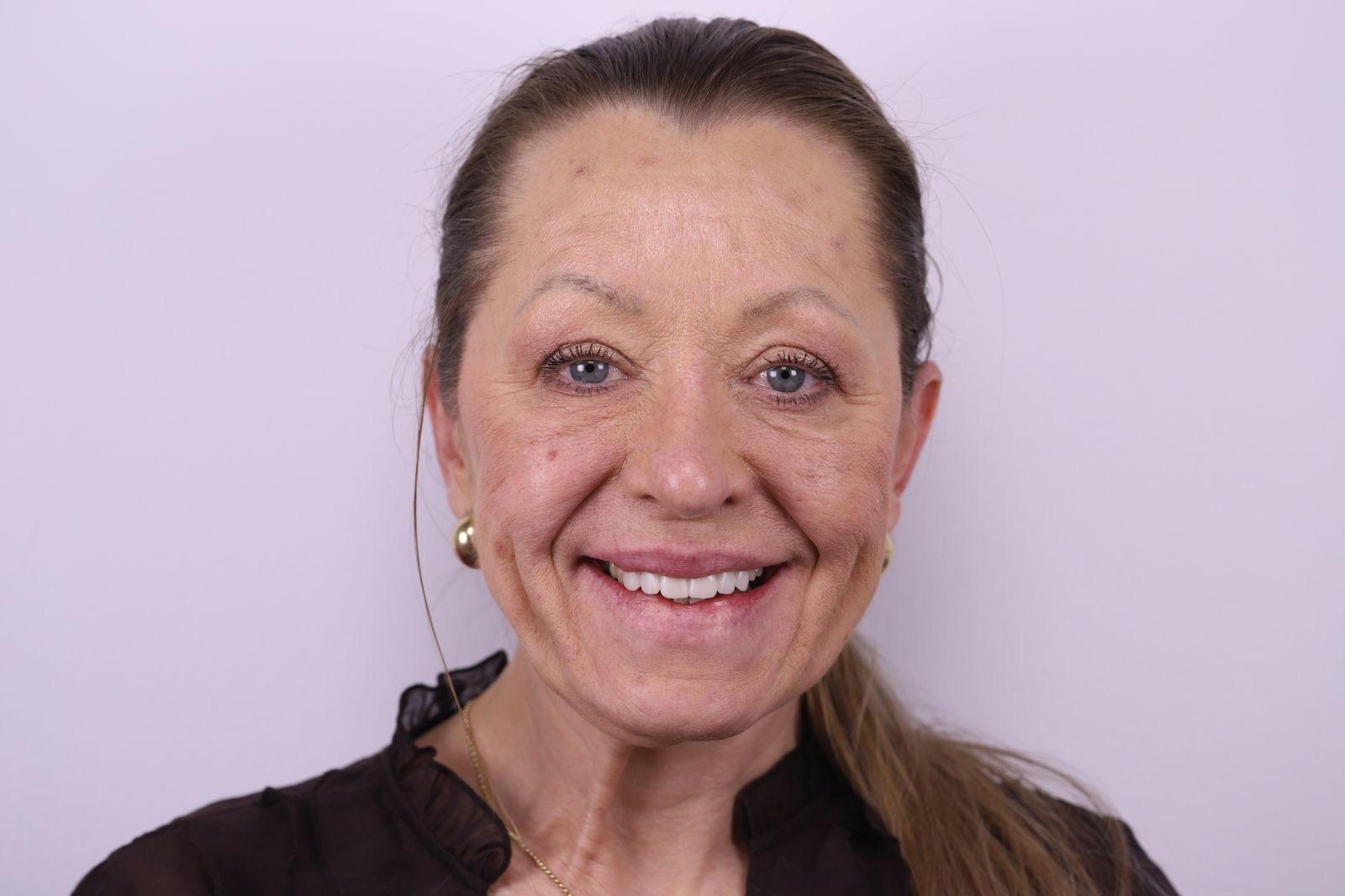
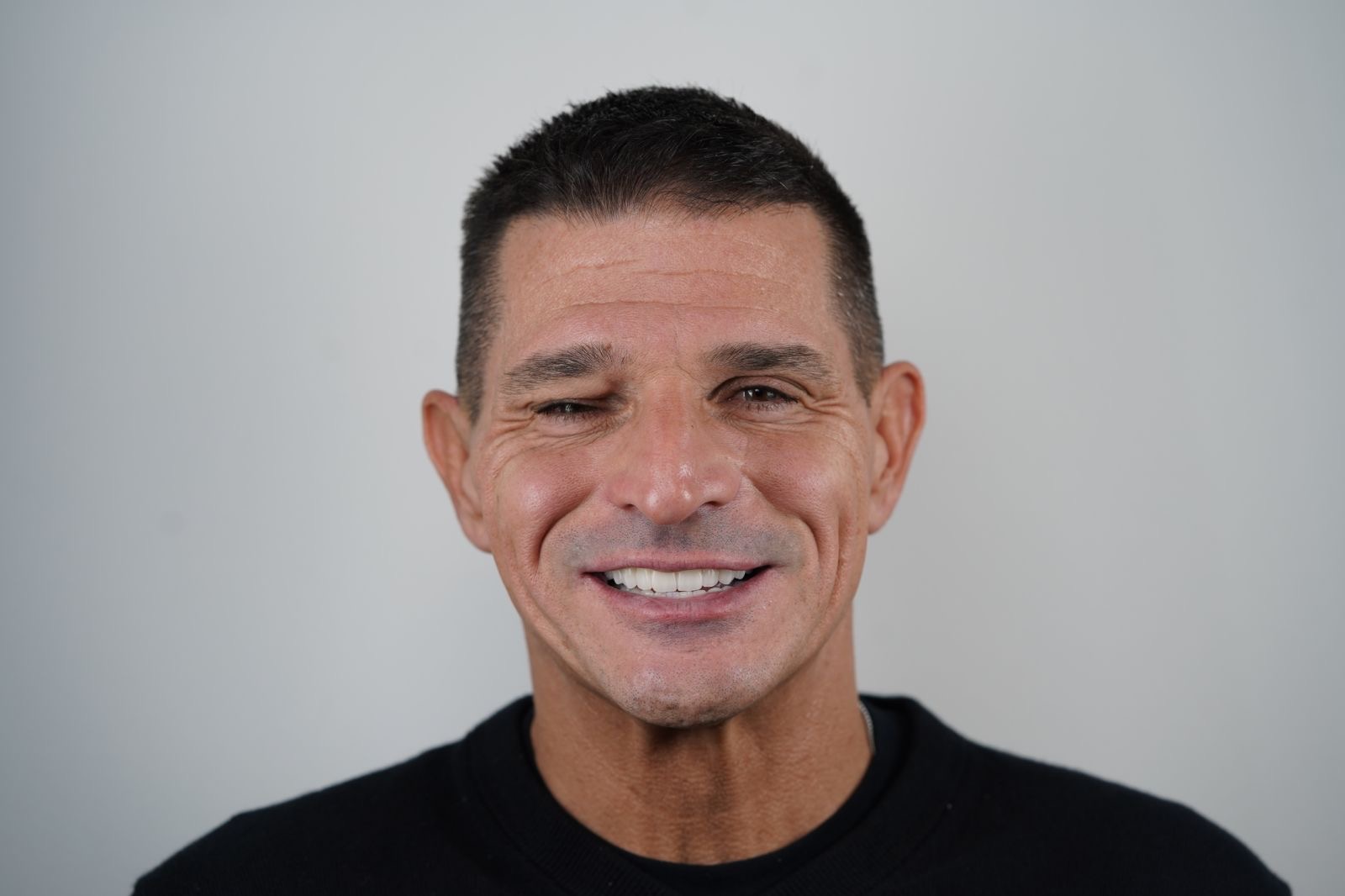
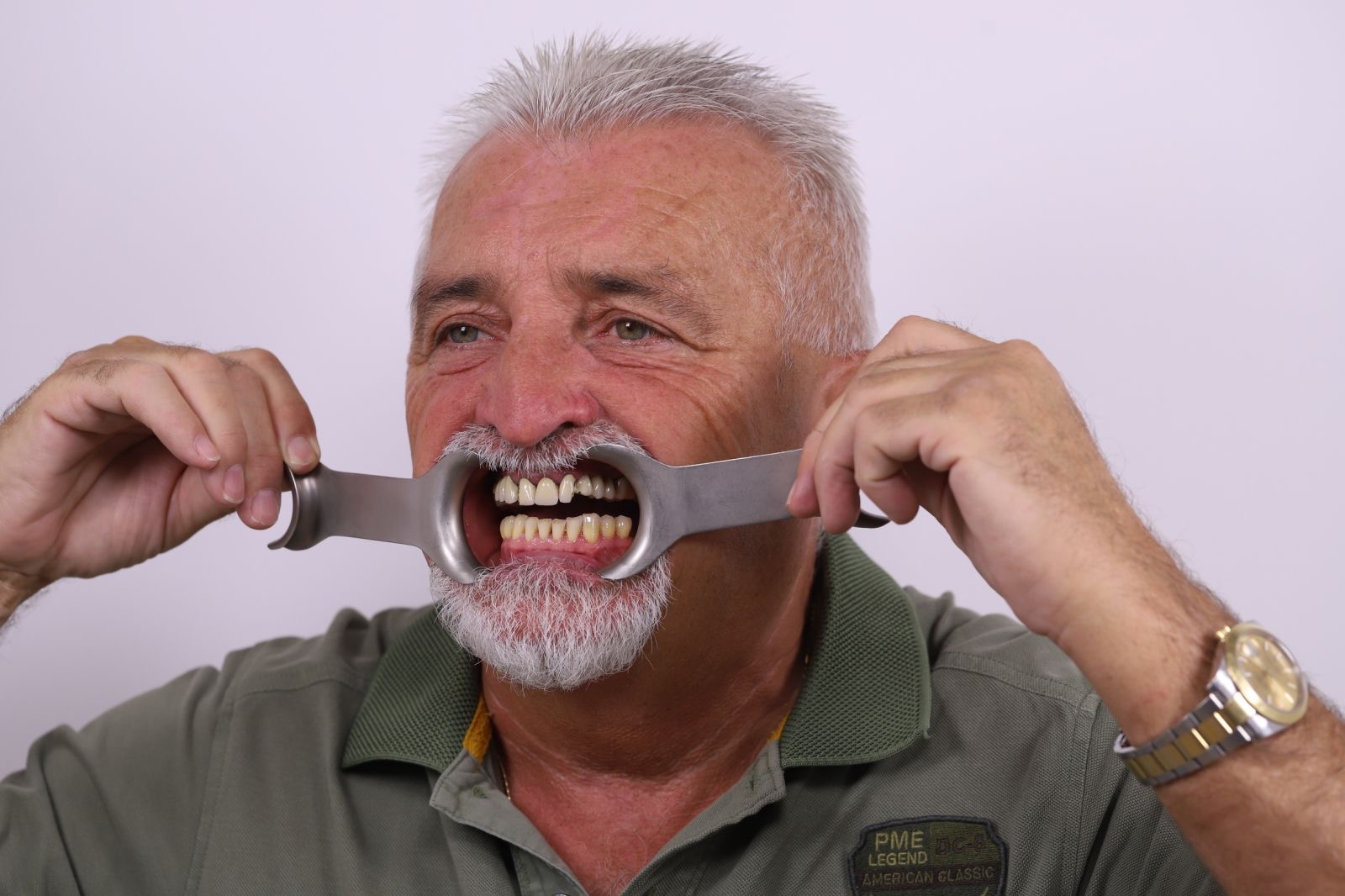
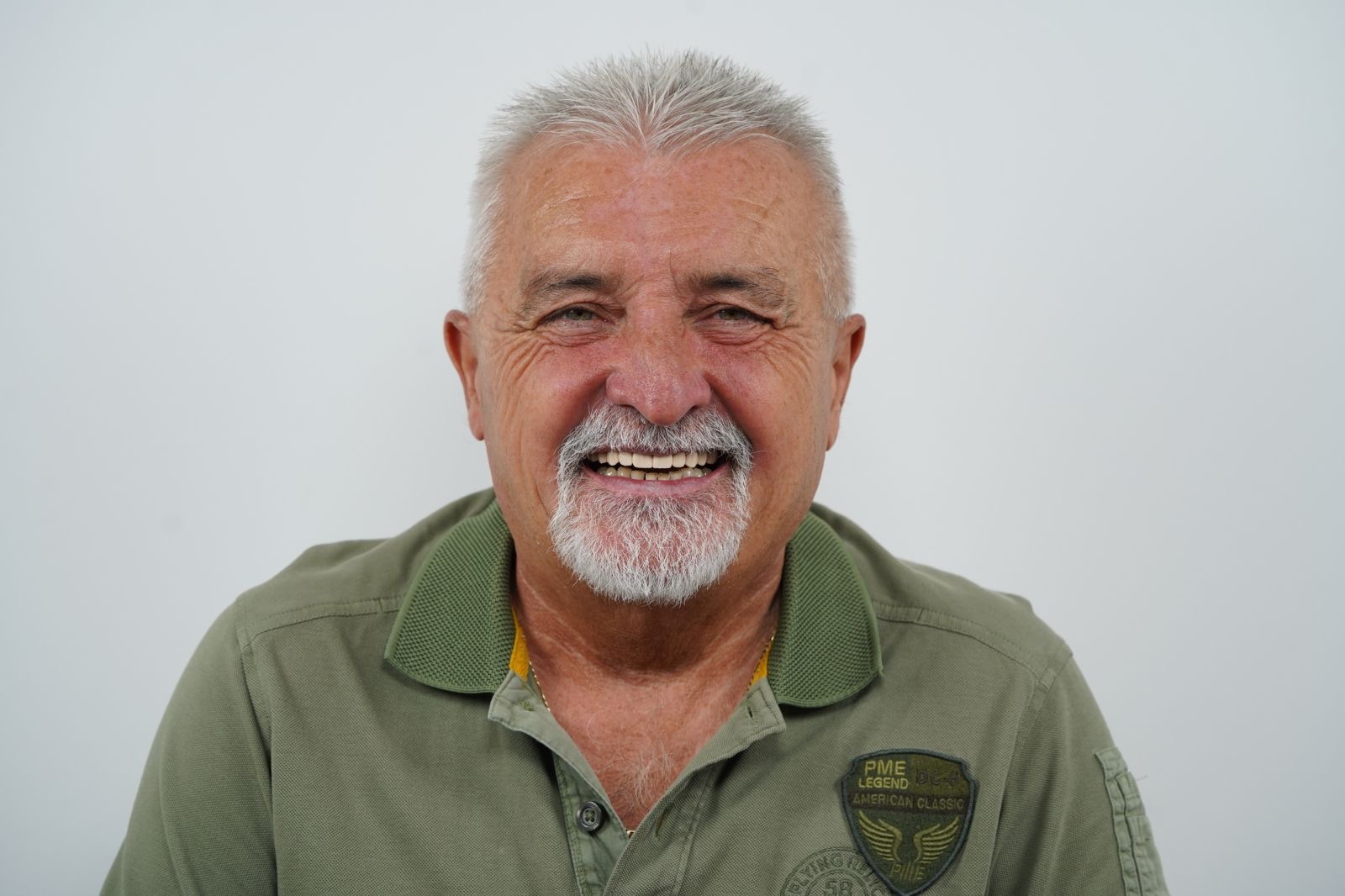
Some of the work that has left the lab
Every case below was designed and produced here - no outsourced milling.

What gets made
Everything from a single crown to a full rehabilitation
The price depends on the type of restoration and the size of the case, so you get the price list on the call.
- Full zirconia construction
- Single crowns, bridges and full arches. Anatomy, contacts and occlusion are checked in a virtual articulator before anything goes to milling.
- Zirconia on implants
- Restorations on implants, with custom abutments where the case calls for them.
- Cut Back veneering on zirconia
- Ceramic veneering where the aesthetics require it. Room for the ceramic is left in the design itself, not improvised later.
- Plastic for temporaries
- Printed temporaries for the period before the final restoration.
- Diagnostic wax-up and All-on-X
- Digital extraction, wax-up and planning of a full reconstruction - before treatment starts.
- Digital smile design
- Smile Creator: a design aligned to the patient's photograph and to their facial features.
Two ways to work together
Depends on what you need - a finished restoration, or just the design
Finished restoration
You send the case, you get finished work back
A scan or an impression comes in, and completed work goes back - designed, milled or printed, and finished in the same lab. All that is left for you is seating it.
- One lab from scan to polish
- 5 working days for veneered zirconia
Design only
You send the scan, you get an STL
For clinics and labs with their own production. I design in Exocad, you review the restoration in 3D, and you get an STL ready for your machine. This is how I work with clinics abroad.
- Open system - works with any scanner
- Design reviewed in 3D before export
How a case runs
The same order every case, so you know which stage yours is in
-
1
You send the case
A digital scan from an intraoral or desktop scanner, in STL. If you still work with impressions, we arrange collection.
-
2
Design in Exocad
The scan goes into Exocad. Margins, contacts and anatomy are resolved there - on screen, not on the finished restoration.
-
3
You approve the design
You rotate the restoration in 3D through Exocad Webview, in a browser, with nothing to install. Nothing goes into production while notes are still open.
-
4
Production in the lab
CNC milling or 3D printing, then cutting, finishing and polishing. The case does not travel to another address between stages.
-
5
Delivery
The finished restoration arrives ready to seat, within a deadline agreed before the work starts.
Before anything is milled
The patient sees the smile before deciding
The hardest part of a big case is not making it. The hardest part is the patient saying yes.
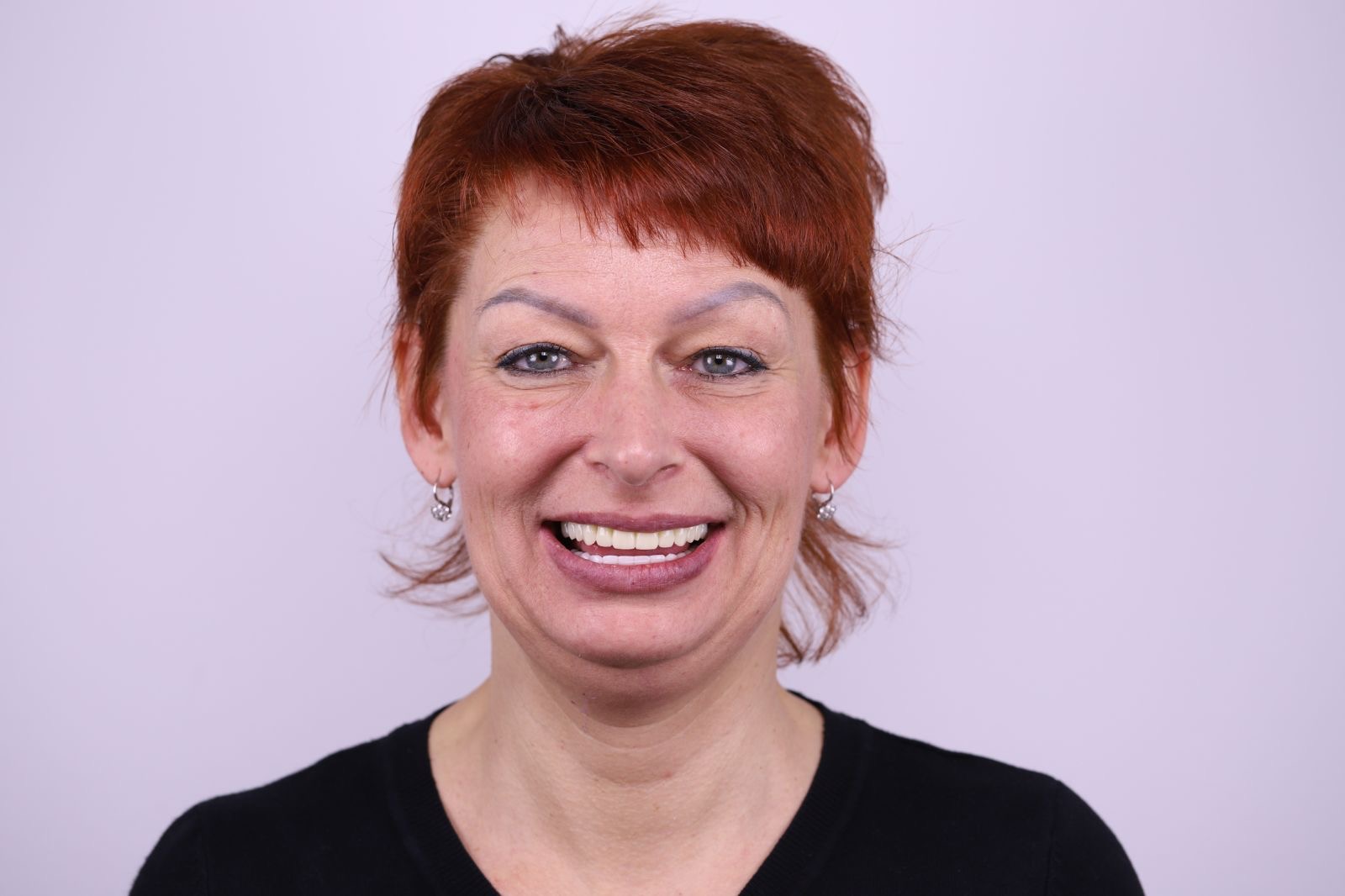
With Smile Creator the patient's photograph is combined with the 3D scan, and the design is aligned to the midline and to their facial features. The patient sees a simulation of their own smile before treatment begins - not somebody else's photo from a catalogue.
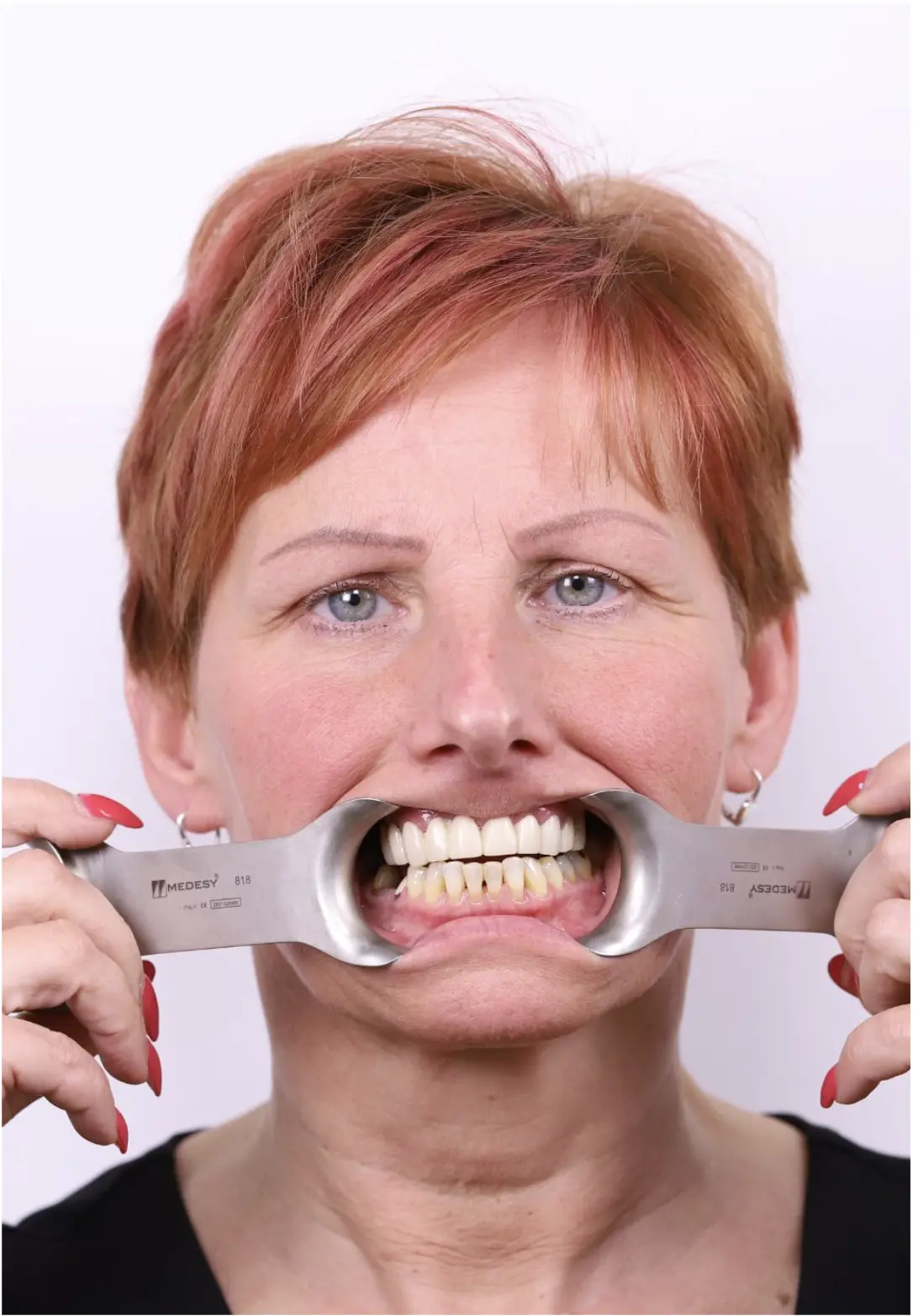 Before
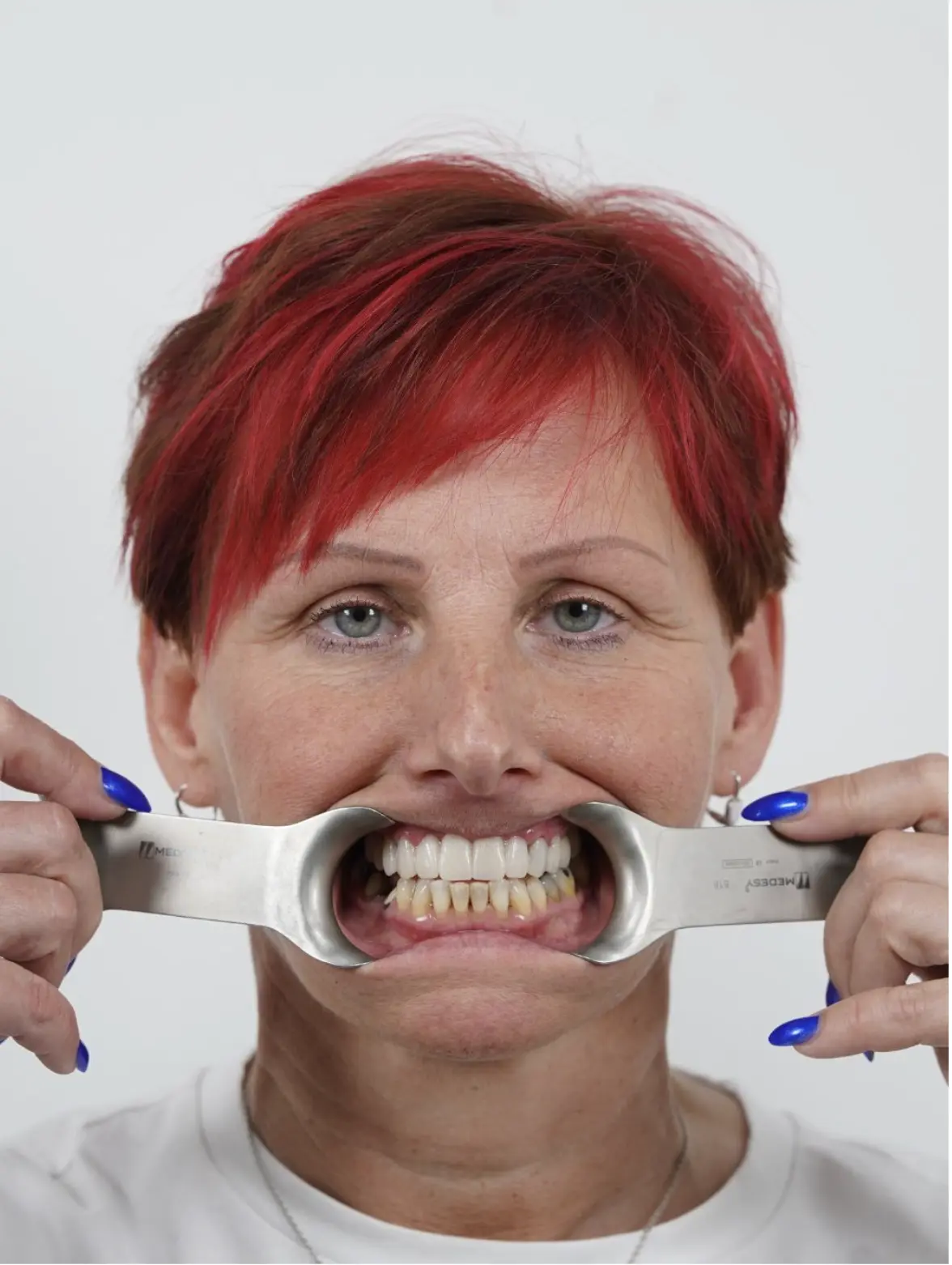 After
After
- A design aligned to facial symmetry, not only to the teeth.
- Before-and-after images you can show at the consultation.
- A clearer agreement about what is actually being made.
One roof
The design and the production are in the same place
When the design is in one pair of hands, the milling in another and the finishing in a third, every handover is somewhere something gets lost - a margin, a shade, or a deadline. That does not happen here. The scan, the design, the milling, the printing and the finishing are in the same lab, with the same person who knows why the design looks the way it does.
-
3D printers
Models, temporaries and guides.
-
CNC milling
Zirconia restorations, from a single crown to a full arch.
-
Cutter
Sectioning and preparation before the final finishing.
Who will design your case
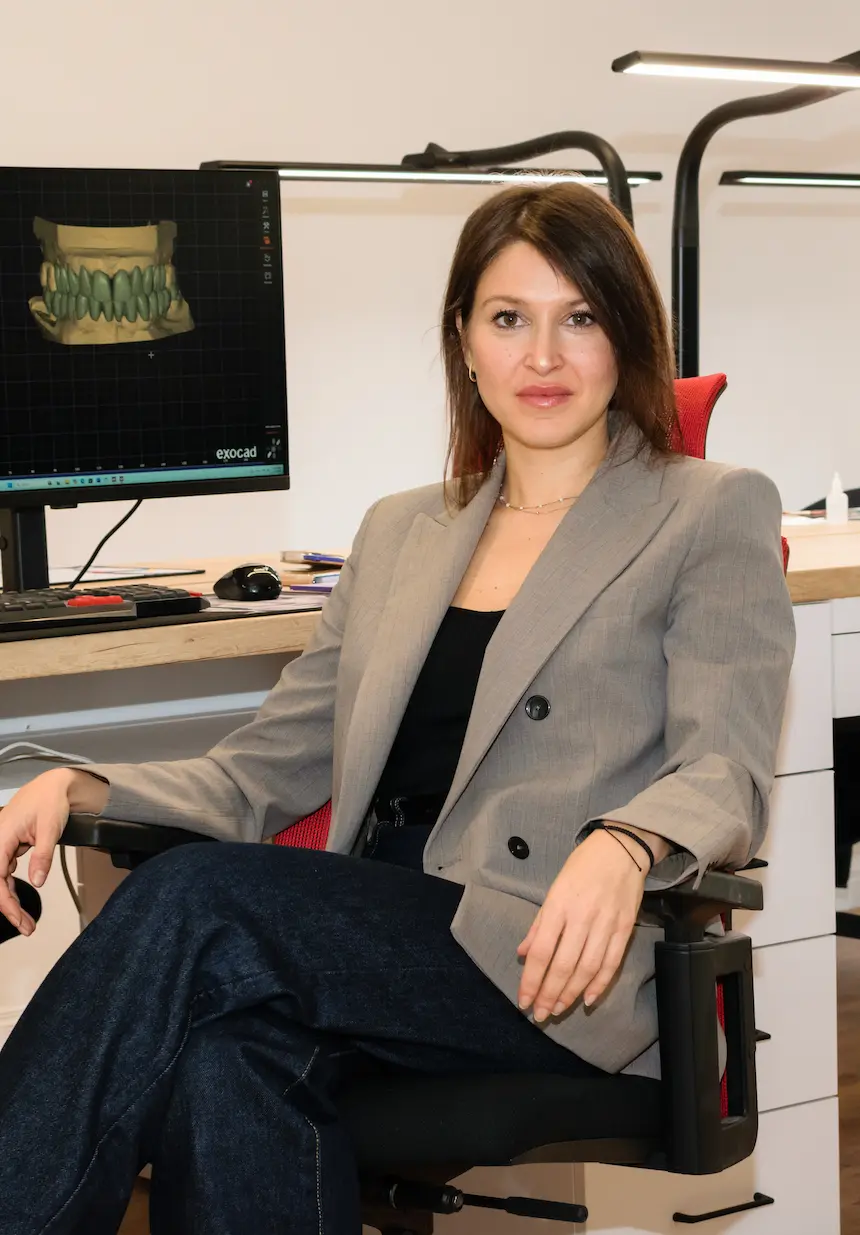
Aleksandra Simonovska
18 years in dental technology - sixteen of them manually, the last five in Exocad. Behind her are over 5,000 designed restorations and clients in Skopje, Zagreb, Prague and Belgrade.
She also trains the technicians who work in Exocad and speaks at professional conferences on digital dentistry. Your case does not go to someone who learned the software - it goes to someone who teaches it.
Exocad is a tool. Knowledge is what makes it powerful.
Turnaround and terms
Agreed before the work starts
- Delivery time for veneered zirconia
- 5 working days.
- Try-in plastic
- Every large case or anterior front comes with a plastic try-in.
- Larger cases
- The deadline is agreed up front, before the work starts.
- Open system
- Work runs on STL from any scanner. You do not have to change equipment for us to work together.
- Impressions
- Still accepted - scanned here, and the case continues digitally from there.
- If something does not fit
- It gets corrected. I will not promise you that a mistake never happens.
Common questions
I work with a different brand of scanner. Is that a problem?
No. Exocad is an open system and works with STL, which means the scanner you already have is enough. You need no new equipment, and no matching brand.
I still take conventional impressions. Can we still work together?
Yes. The impression is scanned here and the case continues digitally from there. Moving to an intraoral scan can come later, if you want it at all.
How do I see the design before it is made?
Nothing goes into production without your approval.
Before production you get an interactive 3D preview of the design through Exocad WebView, open directly in your browser.
You can turn the case around, look at it from every angle, leave comments and ask for changes while the design is still being worked on.
That way you get more predictability, clearer communication and certainty before a case moves into production.
What if something does not fit?
That is why larger cases and anterior work come with a try-in. Fit, aesthetics and function are all checked before the final restoration.
I cannot promise you that a mistake never happens.
What I can promise is that you will not be left alone with the problem. I follow every case through to the final result, and if a correction is needed, we sort it out together.
How long does a case take?
The standard turnaround for veneered zirconia is 5 working days.
For larger and more complex cases the deadline is set up front, from the scope of the work and what you need.
Some cases need a faster turn, and when they do we agree on priority production, as far as capacity allows.
The aim is to hold the balance between speed, accuracy and the quality of the final result.
What does it cost?
The price depends on the type of restoration and the size of the case. On a short call we go through the case and you get an exact price list, with no obligation.
Start with one case
Send one case and see how it goes
The fastest way is a short call: you describe the case, and I tell you whether and how it gets made, in what time, and at what price.
As part of starting our work together, a diagnostic wax-up is included on your first three cases.
The point is that you have predictability in planning from the very start, an easier conversation with the patient, and the certainty that every case begins with a clear picture of the final result.
Skopje · working with clinics and labs across the region